



Paper GSM Guide
Posted by Beth on 10th Oct 2024
What is GSM in paper?
In the paper and pulp industry, card weight isn’t measured by thickness but by grammage, which is the area density of a paper product or its mass per unit of area.
Grammage is more commonly referred to by GSM which stands for grams per square metre (how many grams a square metre of the product would weigh).
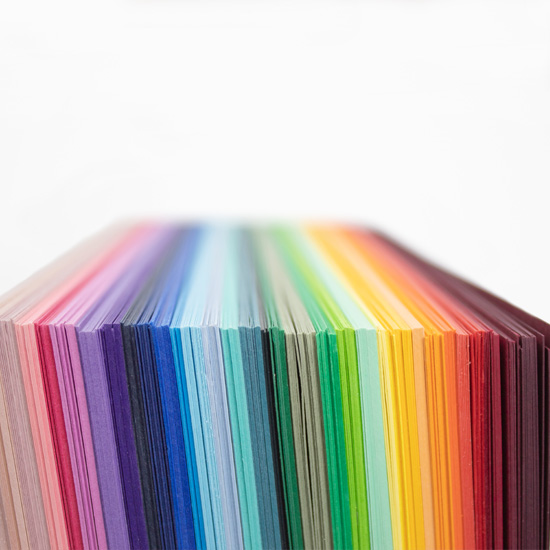
The higher the GSM, the denser and sturdier the paper or card will be. When referring to paper or card products, it’s common to see anything from 35gsm up to 350gsm.
While grammage is technically the proper term for paper weight, most printers in English-speaking countries refer to GSM as the “weight” of a card.
The right paper weight can create the right first impression for your audience and use case desired first impression, whether you’re making DIY wedding invites, professional business cards, or greeting cards for your company’s customers.
Paper weight is a big part of the look and feel of your wedding invitations, greeting cards, and other crafting projects. It goes to texture and use case.
In this paper weight guide, we take a closer look at paper and card thickness and how it’s applied using the GSM standard.
Does GSM indicate paper thickness?
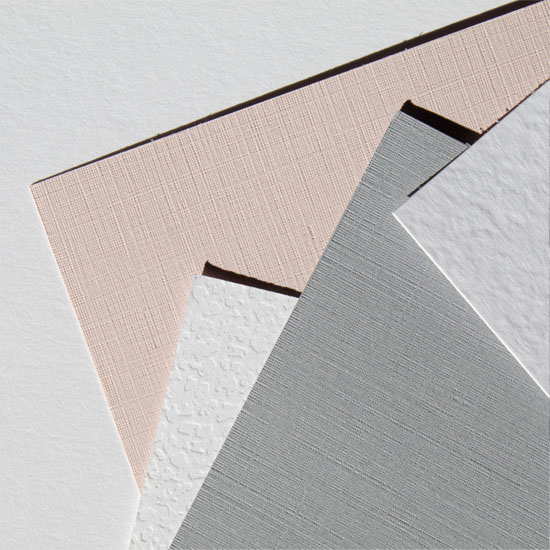
GSM only refers to the weight of a card, not its thickness. This means it’s not a reliable measurement for paper and shouldn’t be used as such.
However, it’s still common for consumers and people in the paper and printing industry to conflate GSM with card thickness. Much of this has to do with how we tend to associate the paper weight with thickness.
Can two papers with the same GSM have different thicknesses?
While high GSM sheets are likelier to consist of thicker materials, this difference in materials can also mean a denser material only.
A dense but thin material can be as heavy or even heavier than a different material of the same thickness. In fact, one card could be thinner yet still have more heft than a thicker card.
Our A4 white silk 350gsm card is a good example of this. The card contains clay and has been compressed and polished to create a silk finish. However, when compared to our A4 white matte 300gsm card, the latter is lighter but thicker due to it being more fibrous and less compressed. The GSM designations of both products also show this difference in weight.
Why is GSM important?
Paper products in different GSM classes are better suited for certain applications. For instance, paper with a lighter weight is generally designed for printing and writing.
In contrast, heavier and thicker paper is ideal for specialised applications, such as invitations, greeting cards, and scrapbooking.
Consider these two examples:
- Business cards usually come in the heaviest card available. As they’re designed to be passed around between contacts, business associates and customers, business cards need to be thicker and durable, explaining why they’re made from high-GSM durable card.
- On the other hand, flyers promoting a sale or event are usually disposable, hence why they’re made from the lightest, flimsiest low-GSM paper.
If you’re planning to order our cardstock, it helps to know what GSM options are available to you. Our paper thickness GSM chart will give you a rough idea of the feel of our card products in each GSM range.
| 35gsm - 55gsm |
Very thin, typically what newspapers are made from. |
| 70gsm - 90gsm |
Typical weight of office printer paper. |
| 100gsm - 140gsm |
A heavier paper that can withstand a little more |
| 150gsm - 200gsm |
In this range is heavier papers and lightweight cardstock. |
| 200gsm - 230gsm |
A thinner card perfect, for layering, die |
| 240gsm - 290gsm |
The perfect weight for handmade cards – card within this range still |
| 300gsm - 350gsm |
A heavier cardstock, card in this range has a higher quality feel to it |
What GSM paper should I use?
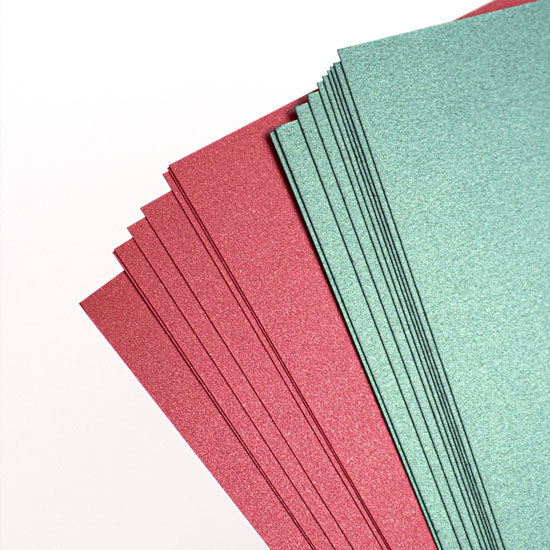
Deciding what GSM paper is best for your project is important. GSM affects both the functionality and the style of your finished product.
Greeting cards or invitations will feel low quality if they are printed on paper that is too flimsy, while using paper that is too heavy can create unnecessary bulk.
The right choice of card thickness or GSM ultimately boils down to your needs. To help you make a purchase decision, we’ve put together a list of examples of how paper products under each GSM class can be used.
How thick is 70gsm to 140gsm paper?
Standard copier and printer paper tends to be anywhere from 70 to 100 GSM. Meanwhile, stationery such as letterheads and compliment slips usually come in 100gsm to 120gsm, signifying their importance. These paper products, also known as offset paper, are uncoated and designed for rapid and repeated printing. You can find paper of this GSM in the paper section of our site.
How thick is 150gsm to 200gsm paper?
Thicker paper under this class is ideal for posters and brochures with UV coating, giving them a glossy finish. The combination of UV coating, which provides some resistance to the elements, and heavier weight, makes these paper products ideal for outdoor use.
How thick is 200gsm to 290gsm paper?
Paper and cardstock under this GSM range are ideal for card making, paper crafting, wedding stationery, die-cutting and scoring. These cards are thicker than poster paper but still have some bend to them. We stock card in this GSM range in the card section of our site.
How thick is 300gsm to 350gsm paper?
Cards under this GSM range have an undeniable heft and rigidity to them, making them perfect for formal wedding invitations, greeting cards, presentation folders, and business cards. If you are looking for cardstock with superior finish and quality, our 300-350gsm card blanks with and without envelopes will prove a good choice.
Over to You
Understanding how paper weight is measured using the GSM system should make it easier to choose your paper and cardstock from The Paperbox. If you’re still unsure what paper weight to order for your card or stationery project, you can request a swatch sample pack of our cards in different colours, finishes and GSMs. While you’re at it, you can also check out our guide to paper, card and envelope sizes.
Order your paper supplies, card blanks and envelopes from The Paperbox to get FREE standard UK shipping on select orders. We also offer express delivery and next-day delivery for urgent orders. The Paperbox also ships to the Republic of Ireland and select parts of Europe. Visit our Delivery and Returns page for more details.