



Types of paper explained: linen, pearlescent, parchment and more
22nd Apr 2026
Types of paper explained: linen, pearlescent, parchment and more
How does the saying go? ‘Variety is the spice of life’. However, sometimes so much choice can be daunting. But choosing the right material for your project, be it card making, invitations or wedding stationary, can completely transform the look and feel of your final piece.
So, do you need a hammer finish and a linen finish? Do you need 250gsm or 300gsm? Do you need matte or smooth?
In this guide, we’ll explore a range of popular cardstock and paper types – matte, pearlescent card, linen, parchment paper and more. We’ll break down their characteristics, benefits and best uses. Whether you’re refining your craft or experimenting with new styles, understanding these materials will help you make more intentional creative decisions.
Card vs paper: what’s the difference?
Let’s start with the basics, it’s worth clarifying the distinction between card and paper.
- Card is thicker, sturdier and more durable. It’s ideal for structural elements like card bases, covers and packaging.
- Paper is lighter and more flexible, often used for layering, inserts or decorative overlays.
The Paperbox card types
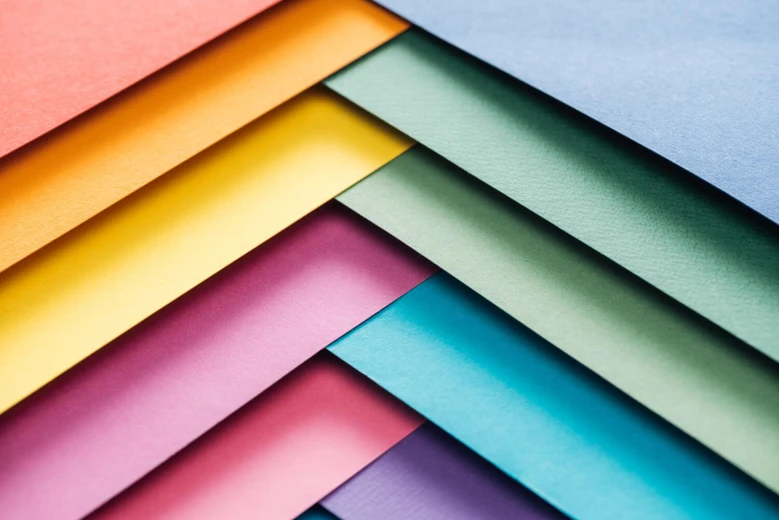
Our range of cardstocks offers variety and choice for every project, from minimalist and modern designs to more luxurious, elegant creations. Available in a selection of pre-cut sizes, including A3, A4, A5, A6, A7 and 5x7, they provide a clean and professional finish every time.
Matte Card
Matte card is a staple in any crafter’s collection. With its smooth, uncoated, non-reflective surface, it provides a clean, modern finish. Available in both natural tones and a wide range of colours, it’s our largest and most versatile collection. With multiple weights available, 250gsm, 290gsm and 300gsm, it’s suitable for a variety of creative applications.
Benefits:
- Excellent for stamping, drawing and printing
- Reduces glare, making colours appear true and rich
- Easy to write on with most pens and inks
- Easily erased and glued without leaving any marks
Uses:
Matte card is perfect for card bases, printing and layered designs. If your project involves intricate ink work or detailed typography, matte is often the safest and most reliable choice.
Satin sheen card
Satin sheen card sits somewhere between matte and gloss, offering a smooth surface with a soft, subtle shine. It reflects just enough light to enhance colours without being overly glossy, making it a versatile choice for both modern and elegant designs.
Benefits:
- Smooth finish with a gentle, refined sheen
- Enhances colour vibrancy without heavy reflection
- More resistant to fingerprints than high-gloss finishes
- Finish is one sided making written messages mess free
Uses:
Satin sheen card is ideal for invitations, greeting cards, and professional stationery where you want a polished look without too much shine. It’s a great middle ground if matte feels too flat and gloss feels too fussy.
Pearlescent card
Pearlescent card adds a subtle shimmer that catches the light beautifully. Unlike glitter, the finish is smooth and refined, giving a luxurious feel without overwhelming your design. Colours including ice white, rose gold and antique gold it’s a romantic choice for invites and anniversary cards.
Benefits:
- Elegant sheen enhances special occasion designs
- Smooth surface works well with digital printing
- Available in a range of soft metallic tones
Uses:
Ideal for wedding invitations, anniversary cards and premium packaging. Pearlescent card works particularly well when you want to elevate a design without adding texture or bulk.
Mirror Card
Mirror card has a highly reflective, almost metallic surface that creates a polished, high-shine effect. Available in silver and gold they are great for die cut appliques and frames.
Benefits:
- Creates a striking, modern look
- Reflective surface adds depth and dimension
- Excellent for bold, graphic designs
Uses:
Commonly used for die-cut lettering, borders, and statement elements. It pairs well with matte or textured stocks to create contrast.
Eco kraft card
Eco Kraft card has a natural, rustic appearance with visible fibres and warm brown tones. Uncoated and 100% recycled from post-consumer waste.
Benefits:
- Environmentally friendly and often recycled
- Strong and durable
- Adds an organic, handmade feel
Uses:
Ideal for eco-conscious designs, rustic wedding invitations and minimalist packaging. It pairs beautifully with white ink, embossing or simple line illustrations.
Embossed card (linen, hammer, felt marked)
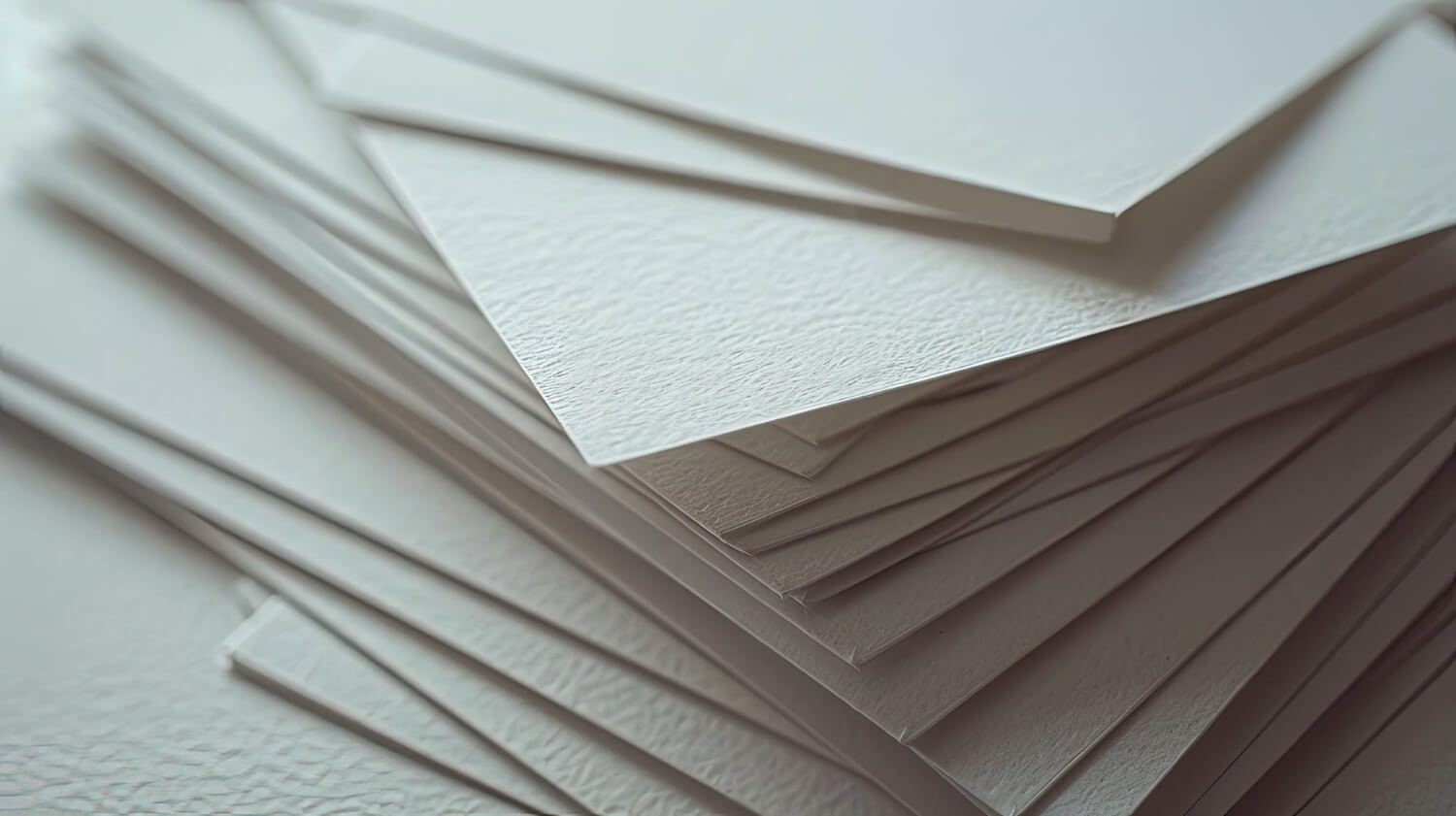
Embossed card features raised textures pressed into the surface, adding both visual and tactile interest. Finishes include:
- Linen: mimics the woven texture of linen fabric, giving a subtle crosshatch pattern.
- Hammer: lightly dimpled, as if beaten by a hammer
- Fizz: a lightly textured card with a small flecking
- Felt marked: Felt marked card has a soft, slightly fibrous texture reminiscent of handmade paper
Benefits:
- Adds sophistication without overpowering the design
- Feels tactile and high-quality
- Adds texture to design
Uses:
Perfect for formal invitations, layered card designs and scrapbooking where texture enhances the overall feel.
The Paperbox paper types
While cardstock provides structure, paper adds detail and flexibility to your projects. Available in a range of sizes and weights, these lighter stocks are perfect for layering, inserts and decorative elements, each offering its own unique finish to enhance your designs.
Matte Paper
Like its cardstock counterpart, matte paper has a smooth, non-reflective finish. Available in neutral tones and colours.
Benefits:
- Excellent for printing and writing
- Absorbs ink well, reducing smudging
- Clean, professional appearance
Uses:
Commonly used for inserts, layered elements, and printed content inside cards. It’s reliable, versatile and easy to work with.
Parchment paper
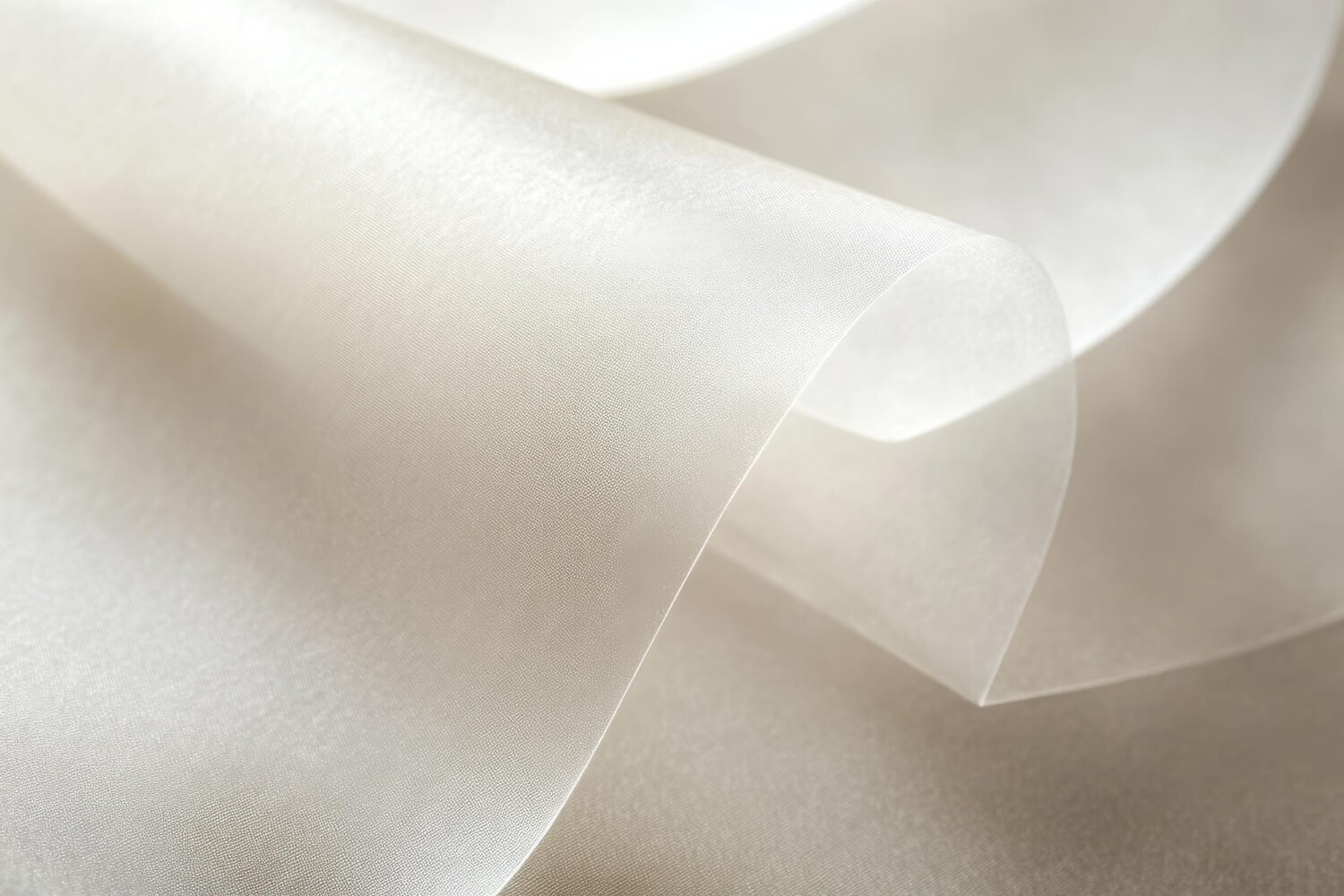
Parchment paper has a slightly translucent appearance with a marbled or cloudy texture, giving it a timeless, elegant look.
Benefits:
- Semi-transparent for layering effects
- Adds visual softness
- Unique texture enhances traditional designs
Uses:
Perfect for overlays, invitation wraps or decorative inserts. It’s especially popular in wedding stationery, where it can soften bold colours or add a romantic touch.
Pearlescent Paper
Pearlescent paper features a smooth surface with a subtle, light-reflective shimmer, adding a touch of elegance without the texture of glitter. Its gentle sheen enhances colours and gives designs a more premium, polished finish.
Benefits:
- Soft shimmer for a refined, luxurious look
- Smooth surface suitable for printing and writing (with compatible inks)
- Enhances colour depth and visual appeal
Uses:
Ideal for adding highlights and pops of colour to scrapbook projects, and a romantic feels to handmade anniversary and valentine cards
Eco kraft paper
Eco kraft paper shares the same natural aesthetic as kraft card but in a lighter weight. The ivory fleck is especially popular.
Benefits:
- Flexible and easy to fold
- Eco-friendly and recyclable
- Warm, earthy tone complements simple designs
Uses:
Great for wrapping paired with twine, layering, and inserts. It works well in cohesive designs where both kraft paper and card are used together.
Vellum
Vellum paper sheets are a translucent, semi-opaque option that adds a soft, elegant touch. Ideal for layering over text and images, card inserts or statement wedding invitations, vellum can also be used to create DIY envelopes.
Benefits:
- Creates beautiful layering effects
- Adds elegance without heaviness
- Works well with embossing and foiling and wax seal stamps
Uses:
Often used as an overlay for invitations, belly bands or decorative accents. Vellum can subtly reveal underlying colours or patterns, making it a favourite for refined, multi-layered designs.
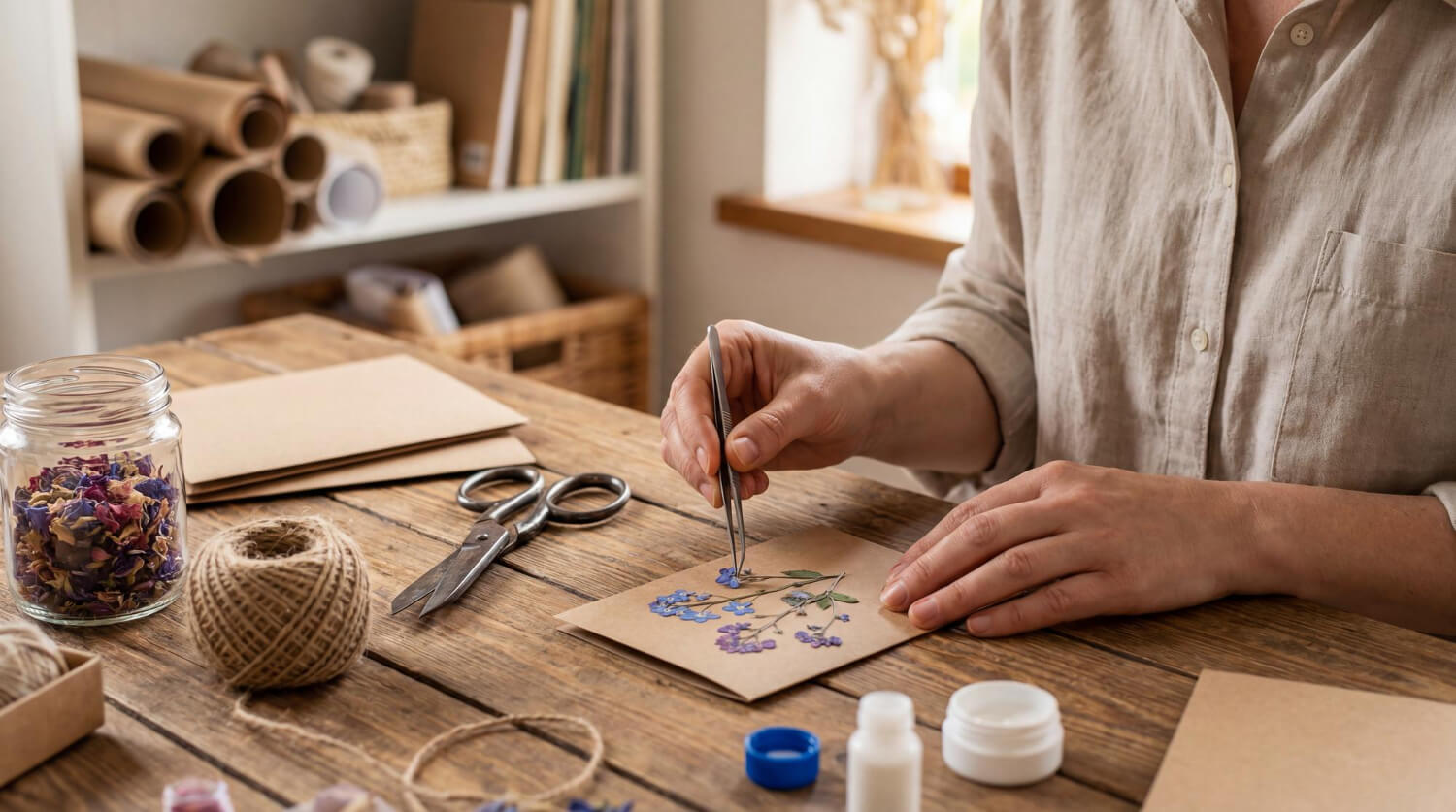
Choosing the right paper for your project
With so many types of paper and card available, the key is understanding how they interact with your design goals.
- For clean, print-heavy designs: matte card and paper are your go-to.
- For luxury and elegance: pearlescent card and vellum add sophistication.
- For texture and depth: linen, felt marked and hammer embossed cards bring tactile interest.
- For natural, eco-conscious designs: kraft paper and card offer warmth and authenticity.
- For soft layering effects: parchment paper and vellum excel.
Combining different textures and finishes is where your creativity can really shine. A matte base with a pearlescent layer, or a kraft card paired with vellum, can elevate even the simplest design.
Things to keep in mind when choosing types of paper
When choosing between different types of paper and cardstock it’s not just about appearance, how the material performs is just as important. Keeping a few practical considerations in mind will help you achieve the best results for your project.
- Printer compatibility: heavier card (eg 300gsm) may not suit all printers and textured or coated finishes like vellum or pearlescent can affect print quality. Always check your printer first.
- Ink and drying time: smooth or coated surfaces may cause ink to sit on top, increasing the risk of smudging. Allow extra drying time where needed.
- Adhesives: matte and kraft bond easily, while smoother stocks may need double-sided tape or adhesive discs to avoid marks showing through or warping
- Die cutting: most cards cut well, but heavily textured finishes can reduce sharpness on intricate designs.
- Sturdiness: thicker cardstock is best for structure, while lighter papers work better for layering and inserts.
- Paint and mediums: matte and kraft cards work well with art mediums like paints and inks, whereas lighter weight options such as parchment may warp with the moisture.
Final Thoughts
As your card making skills develop, your choice of materials becomes just as important as the design itself. Understanding the differences between paper types, from linen textures to pearlescent finishes, helps you create pieces that feel considered and well-crafted.
Experimenting is key. Try mixing finishes, layering transparencies, or introducing subtle textures into your work. Ordering samples or exploring mega box mix is a great way to discover what works best for your style and projects, helping you create with confidence.
Need help choosing the right cardstock or paper for your next project? We can help. Get in touch or explore our full range of craft supplies.