




How to use a hot glue gun: tips and tricks
22nd Jun 2026
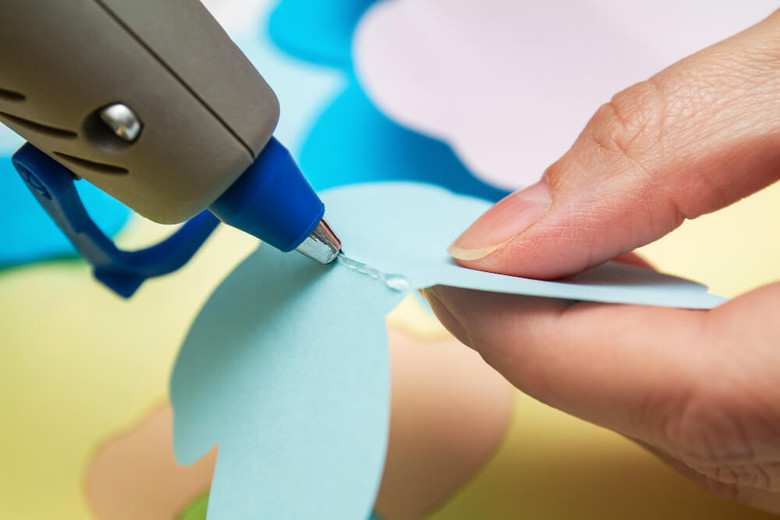
How to use a hot glue gun: tips and tricks
When it comes to crafting adhesives, a glue gun is one of your most valuable card-making supplies. Some consider them to be messy and unsuitable for elegant projects, but when used right they can help you create professional looking projects every time. Whether you’re making handmade cards, decorating gifts, or tackling DIY projects, a hot glue gun is one of the most useful tools you can own.
If you’ve recently added a glue gun to your collection of card making supplies but are nervous about using it for the first time, this guide will help you get started safely and achieve better crafting results from day one.
What is a glue gun?
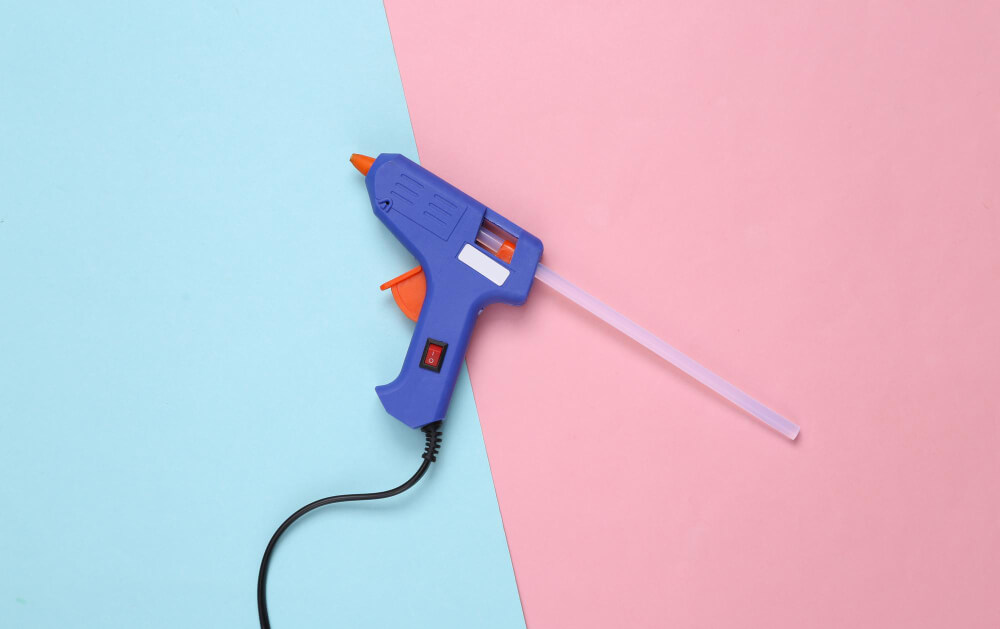
If you’re using a glue gun for the first time, it helps to start by understanding exactly what a glue gun is and how it works. A glue gun, such as The Mini Hotmelt is a handheld tool, either corded or battery powered, that melts specially designed glue sticks and dispenses hot adhesive through a heated nozzle.
Once applied, the glue cools and hardens, creating a strong bond between surfaces, we often describe it as the duct tape of the craft world. Hot glue is incredibly versatile and great at bonding materials that other adhesives would struggle with. The average glue gun will have no problem bonding:
- Paper and card
- Wood
- Fabric, lace and felt
- Ribbon, twine and string
- Plastic
- Foam
- Artificial or dried flowers
- Ceramics
Setting up your glue gun
If you’re relatively new to crafting the idea of scolding hot glue can be daunting, but when you know how to use it properly it’s a brilliant tool that can make projects much easier.
1. Before you plug your glue gun in
Many glue guns don’t have an on/off switch but simply start heating the moment you plug them in. But there are a few steps to take before heating.
- Place your glue gun on a heat-resistant surface, a silicone mat is a great choice as you can peel the dried glue right off and prevent damage to your furniture.
- Load the glue cartridge while the gun is still cold. If you load it when the element is hot, the glue will start to melt on impact, creating a big mess.
2. Insert the glue stick
Hot glue sticks look like a cylinder of hard glue and they’re not at all sticky to touch. Push a glue stick into the back of the gun – you may have to squeeze the trigger to do this.
Once the glue is loaded, turn the glue gun on and allow it to heat up fully according to the manufacturer’s instructions. Some guns may have an LED light that turns off when the machine is up to temperature, usually between three and five minutes.
If your glue gun doesn’t come with any kind of stand you can improvise one using a bulldog clip. Simply rest the nozzle in the arm when not using.
3. Test before starting
It’s a good idea to test on a scrap piece of material before beginning your project. Gently squeeze the trigger until melted glue appears at the nozzle. Get used to the flow rate and the amount of glue that the gun produces.
4. Apply and Join
Squeeze the trigger and apply a small bead of glue to one surface and immediately press the pieces together. Remember that hot glue works quickly, so have everything ready before you start.
5. Refilling your glue gun
Glue guns work by the cartridge slowly being fed through a channel in the gun. As you use more glue the cartridge will shorten. When you get to the final 25% of the stick you may find it stops feeding through. At this point, simply add another stick and the fresh one will push the previous one through.
6. Switching off
When you’re finished with your project simply unplug the glue gun. Wait for it to completely cool before packing away. Leave the remaining cartridge in the gun for next time.
Remember, never to leave your glue gun unattended when plugged in especially if there are children around.
Understanding open time and set time
Before using a glue gun, it’s helpful to understand two important terms.
Open time refers to the amount of time you have stick your item before it cools. This can be seconds.
Set time is how long the glue takes to bind completely and develop its holding strength. For projects such as card making a few minutes should be fine whereas more heavy-duty projects may be up to twelve hours to achieve maximum hold.
Tips and tricks
Minimise glue strings
One common frustration with crafters when using a glue gun is the fine strands of glue that appear when moving the gun. One way to avoid this is to hold the gun directly against whatever you’re gluing. When you have enough glue release the trigger and move the gun in circle action as you pull away from your project. Applying a small amount of Vaseline to the nozzle, when cold, also helps reduce this.
If you do get glue webs on your project, don’t panic, you can get rid of them with a hairdryer. Turn the heat up and the air pressure down on your hair dryer, direct it at your project and those pesky strands of glue will disappear.
Surface preparation for better adhesion
If you’re sticking a heavier item or something with a very smooth surface, you’ll often achieve a stronger bond by roughing up the surface first using fine-grit sandpaper. This gives the adhesive more texture to grip onto and can significantly improve durability. You can clean the surface with rubbing alcohol prior to sticking for an extra strong hold.
Protecting your fingers
If you’re worried about burns when using a hot glue gun there are protective measures you can take.
- Keep a bowl of cold water with ice nearby in case of accidental contact.
- Wear rubber finger protectors when handling small embellishments.
Using a glue gun with porous materials
When using a glue gun on ribbons and fabrics, you have to be careful as it can seep through the fabric as you press the embellishment in position, bringing your skin into contact with the glue. Instead, try using a silicone spatula or crafting tool to hold the material in place while the glue cools. This will ensure a firm hold while protecting your fingers from the heat.
Glue before you paint
One mistake that’s easy to make is gluing a painted project. If possible, it’s best to glue first, paint second. If you paint the project, the adhesive is bonding to the paint layer rather than the actual surface underneath, which can weaken the hold over time.
Use hot glue as a temporary clamp when supergluing
Super glue is fantastic for a strong bond that last, but it does have a much longer set time, and it can be a nuisance having to hold your project in place as you wait for it to dry. Here’s a great hack, apply a couple of small beads of hot glue to the joint alongside the before bonding. The hot glue acts as a sort of clamp holding the pieces in position immediately while the super glue cures.
Create coloured hot glue flowers
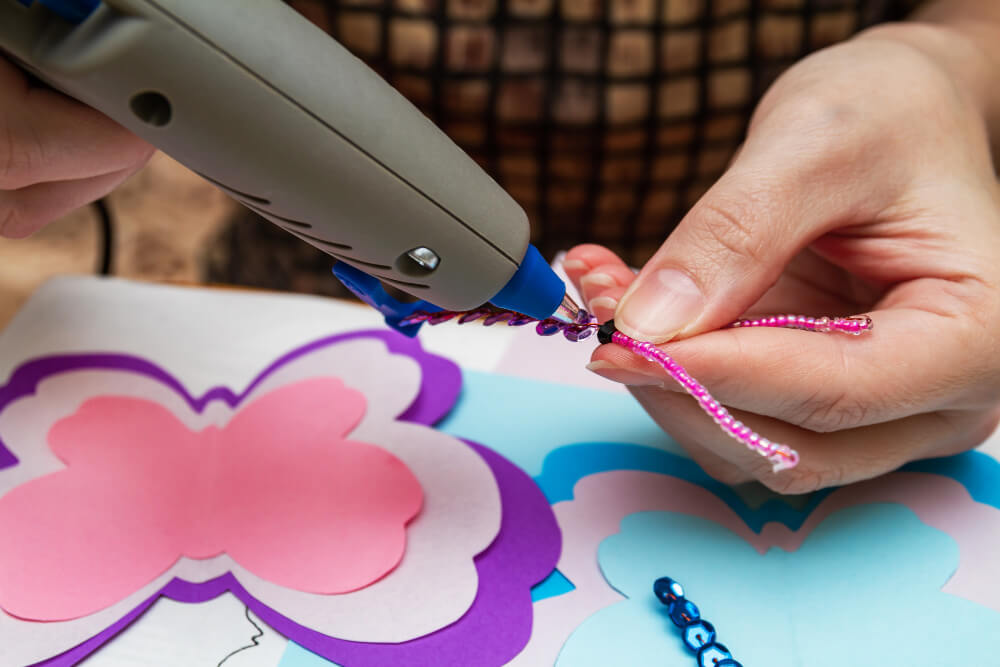
Hot glue sticks ncome in clear, coloured and even glitter sticks. You can use these coloured glue sticks to create decorative flowers and other embellishments. Simply apply small beads of coloured hot glue in petal shapes to a silicone mat. Build layers until you achieve the desired design then just peel away from the silicone and attach to your craft.
These make unique additions to handmade cards, place cards and other creative projects.
Make custom stamps
Another fun design hack is to make custom stamps using your glue gun. Draw a simple design onto thick card or a small piece of wood, then simply trace over the lines with hot glue. Once cooled, apply paint to the raised design and press onto your paper or envelope to create custom stamped patterns and backgrounds. Remember the stamped picture will be the mirror image of your design so keep that in mind when designing.
Get sticking
A glue gun is one of the most versatile tools in any crafter’s toolkit. Whether you’re assembling decorations, creating handmade gifts, or expanding your collection of card making supplies, a hot glue gun offers a fast, reliable, and beginner-friendly way to bond materials together. Feel free to get in touch if you have any more questions regarding our crafting tools, we are happy to help.